What would you change about modern society?
In my company, I wear many hats in IT.
Servers, systems, networks, data centers, user devices—
Websites, mobile apps, production-line software, standalone tools, service integration,
even internal training on quality tools—
I handle it all.
Sometimes I’m an MIS specialist, sometimes a developer, sometimes an internal consultant.
⸻
I’m not an expert, but I got in early.
I was among the first at my company to dive deep into AI tools.
Not just for personal use—I also designed internal courses to teach my colleagues how to boost productivity with ChatGPT and GitHub Copilot.
I took online classes, earned AI certifications, and brought those insights into our daily workflows.
Even in my Flutter training sessions, I included a segment on how AI can speed up development.
To me, it’s not just about the tools—it’s about how they enter organizations, reshape workflows, and influence culture.
⸻
That’s why I can say with confidence:
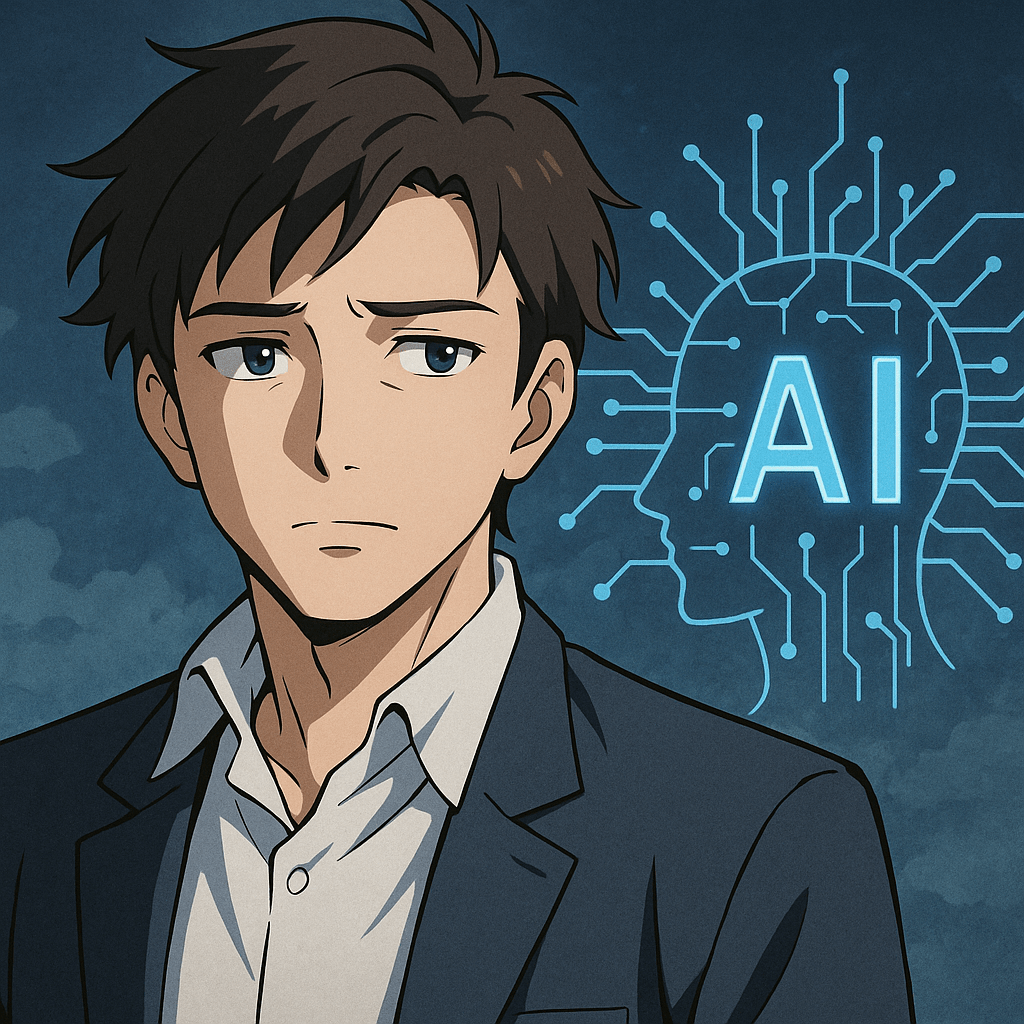
This isn’t just another version update—it’s a software-level industrial revolution.
People often talk about the “Fourth Industrial Revolution” in abstract terms, but I feel it happening—right here, inside software.
We’re no longer building machines with steel. We’re restructuring processes with language models.
It’s not about freeing physical labor anymore—it’s about freeing mental capacity.
AI can now write code, generate images, draft reports, attend meetings, analyze data, reason…
Tasks that once took a week can now be prototyped in minutes.
⸻
But with that power comes a core problem:
Increased productivity doesn’t mean more work for everyone.
When one person can do the job of three,
when the output speed increases fivefold, but the market only demands one-fifth of that,
replacement is inevitable.
This isn’t the boss’s fault or the tool’s fault.
It’s a structural surplus—our ability to produce has outpaced society’s ability to absorb.
⸻
So it’s time we start asking different questions:
Are we truly creating value with all this hyper-efficiency? Are there more tasks that only humans can do, and are they worth our time? And what will we do with the time AI is saving us?
If our definitions of “creation” and “value” don’t evolve along with technology,
then progress may simply become a path to human irrelevance.
⸻
I’m not just deploying tools—I’m preparing for the future.
I know the workflows and tools I’m fluent in today will soon be outdated.
AI agents, multimodal models, speech–vision–behavior integration—they’re evolving fast.
But I still choose to use, to teach, to observe.
Because I believe this isn’t just about keeping up—it’s about adopting a new mindset about work.
It’s not that everyone needs to become an AI engineer.
But everyone does need to learn how to coexist with tools—and avoid being replaced by them.
⸻
As a full-stack IT generalist, I may not be able to do everything, but I can do something:
When others aren’t ready for AI, I go first and show them how. When workflows haven’t shifted, I try small experiments. As tools grow stronger, I remind myself: “Tools will change. The definition of value must not stop evolving.”
⸻
The AI revolution isn’t some distant dream.
It’s already here—quiet, thorough, and irreversible.
And it’s happening inside the software we use every day.
⸻
This is what I see.
And this is my small reminder—from someone standing at the intersection of IT and organization:
To connect the dots, and keep asking the right questions.
 Brassai Kao’s Tech Weave