
近日有消息指出,特朗普政府高層竟選擇用 Signal 這款加密通訊軟體來討論針對也門胡塞武裝的軍事打擊計劃,而在建立群聊時卻意外將《大西洋月刊》總編輯傑弗里·戈德堡加入群組…
Apple App Store: Signal
(more…)A Life Woven with Innovation and Vision.

In Taiwan, the government often struggles to complete necessary reforms but excels in suppressing opposition and covering scandals. This contradiction raises an important question: why is it that when it comes to beneficial policies, the process is slow and inefficient, yet when silencing critics, actions are swift and precise?
(more…)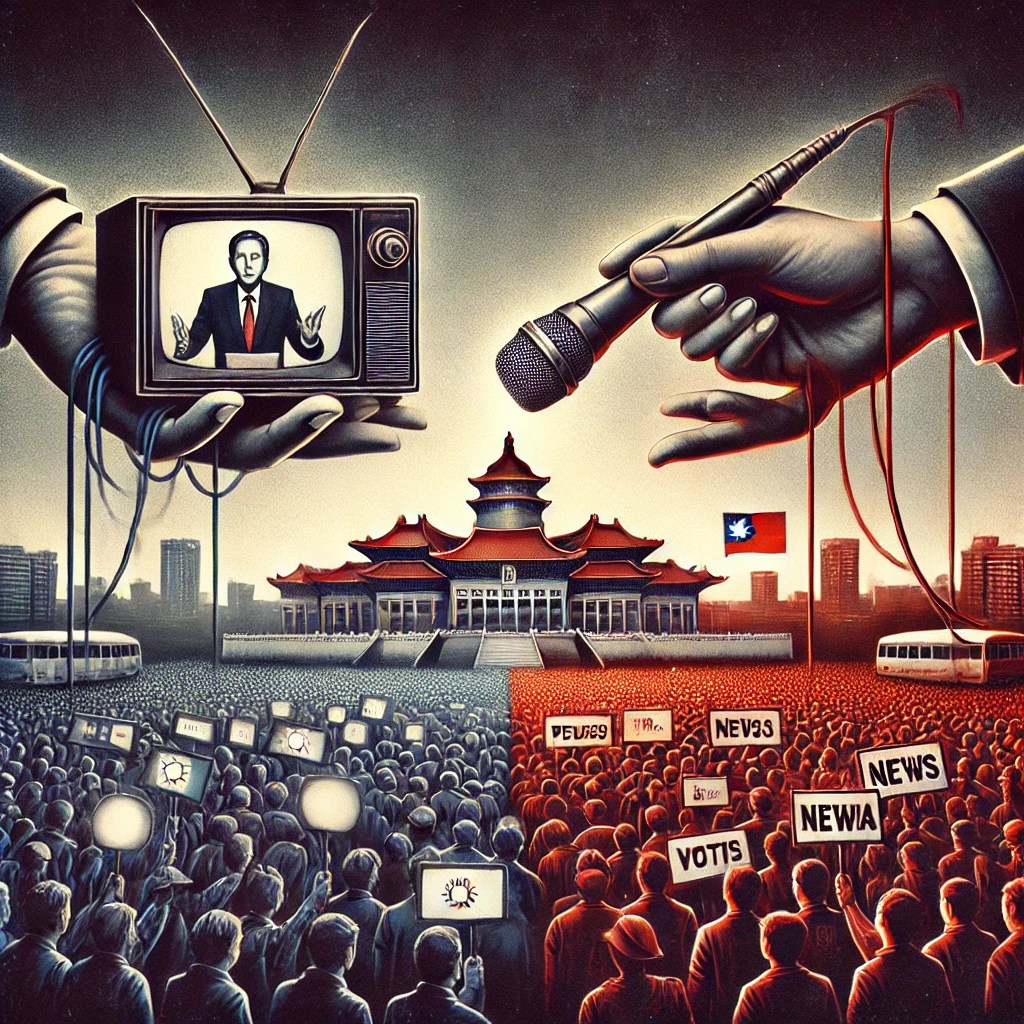
Taiwan’s media landscape is deeply intertwined with political and business interests. Many major news outlets are owned by corporate elites who maintain close ties with political parties. According to Herman and Chomsky’s “Propaganda Model” of media control, ownership, advertising revenue, and political pressure shape the news that reaches the public. In Taiwan, this is evident in media conglomerates favoring candidates who support their business interests while suppressing or distorting opposing views. This lack of media independence undermines the democratic process, as voters receive biased information that influences their political decisions.
(more…)
Taiwan is a democracy, but its legal system is often unfair. Ordinary people get harsh punishments, while the rich and powerful escape justice. Some politicians even use the law to attack their rivals. In some cases, people are jailed for years without trial, and some die before they are judged.
(more…)
Taiwan has religious freedom, but religion still affects politics. Leaders visit temples, religious groups support elections, and the government gives money to religious events. This mix of faith and politics shapes society in many ways.
(more…)
Taiwan’s political and business circles are deeply intertwined, with interest exchanges between corporations and the government becoming an open secret. From land development to government procurement, many policy decisions have turned into tools for big corporations, leading to market imbalances and widening wealth gaps.
(more…)
What is your favorite type of weather?
In Taiwan, I love sunny winter days. The weather is cool and refreshing, with just the right amount of warmth from the sun. It’s neither too cold nor too hot, making it the perfect time for outdoor activities—especially camping.
Camping in the winter sun is a wonderful experience. The crisp air makes everything feel fresh, and the golden sunlight filtering through the trees creates a peaceful and cozy atmosphere. Unlike summer, there’s no need to worry about mosquitoes or the scorching heat. Sitting by the campfire at night, sipping a warm drink, and gazing at the starry sky is one of the best ways to unwind and enjoy nature.
For me, winter camping in Taiwan combines everything I love: cool weather, sunshine, and the tranquility of the great outdoors.
In today’s digital world, misinformation spreads rapidly, often disguised as news. One of the key ways to identify unreliable news is by analyzing the language used. Rumor-based news often relies on vague sources, anonymous leaks, and unclear evidence. Here’s a list of commonly used phrases that may indicate unreliable information.
When news articles or social media posts fail to specify their sources, it raises a red flag. Watch out for these ambiguous references:
• “Netizens”
• “Scholars”
• “Experts”
• “Reported by the media” (without specifying which media outlet)
• “It is said that…”
• “Rumors suggest…”
• “Sources claim…”
• “An insider revealed…”
• “A well-informed source stated…”
• “An unnamed source disclosed…”
• “A senior official privately mentioned…”
Misinformation often gains traction through “exclusive leaks” from unidentified sources. Here are some typical phrases:
• “A whistleblower revealed…”
• “An anonymous source disclosed…”
• “Insider gossip suggests…”
• “Widely shared in social circles…”
• “Heated discussions among netizens…”
Another common tactic used in misleading news is presenting vague or unverifiable “evidence.” Look out for these expressions:
• “A netizen discovered a shocking coincidence…”
• “Widely circulated online…”
• “Some people say…”
• “Media reports indicate…” (without naming the media source)
While not all news using these phrases is false, their presence should prompt critical thinking. Always verify information from reputable sources before believing or sharing it. Recognizing these linguistic patterns can help protect you from falling for misinformation.
 Brassai Kao’s Tech Weave