
偏心左轉道和Z型斑馬線
Category: Blog
A Life Woven with Innovation and Vision.
-

【限速不等於安全】台灣為何總是用落後的手段「改善」交通?
6月11日起,新竹縣又新增了4處固定測速照相,分別設於竹東、芎林、關西與新豐,限速依然維持在50~60公里的老標準。乍看之下似乎是為了安全,但稍微有點國際視野的人都會發現,台灣政府改善交通的方式,始終停留在「罰」與「管」的層次,幾乎沒有觸及更根本的問題──道路設計。
這不是新問題,而是老問題不斷重演。台灣為什麼總是用「加設測速照相」這種最懶、最廉價的方式來改善交通?以下是我觀察到的幾個原因:
1. 交通不好,不影響選票
選民不會因為交通設計進步而記得誰好,但塞車、事故、多一支照相機,也不會明顯怪罪誰。對民選官員來說,花錢改善交通風險高、成效難見,還不如裝幾支測速相機,既能展現「有作為」,又不會動到選民的利益。於是,真正的道路重設、速限評估與都市交通重劃,就永遠被擱置。
2. 測速照相機是一門生意
根據監察院和審計部的資料,許多縣市政府近年來大幅依賴交通罰款做為財政來源。測速照相機只要一設,罰單收入源源不絕,比招商還穩。而與廠商合作建置的 BOT 模式,更讓部分縣市能「零成本」設機、分紅抽成。當照相機變成「搖錢樹」,誰還想從根本解決問題?
3. 道路設計,最花錢也最難
設計一條安全、人本又順暢的道路,牽涉的不只是鋪柏油那麼簡單,還要考量:
路型設計(彎道、視距、車道寬度) 交通分流(人車分道、快慢分流) 土地徵收與管線遷移 甚至是地方居民抗爭與民代協調…
這些成本與風險,遠高於設一支測速照相機。在「做越多、錯越多」的官場文化裡,當然沒人願意碰。
4. 官僚體制不懂國際交通趨勢
在荷蘭、丹麥、德國這些交通安全領先國家,改善交通的方法是慢車道設計、共享街道(Shared Space)、車速分區、立體通行、人本優先設計。這些方法不只更安全,還能讓交通流暢。
但在台灣,許多公務員和決策者對這些理念幾乎毫無認識。速限還停留在「數字愈低愈安全」的錯誤邏輯,對「Context-based Speed(根據場域決定速限)」的概念也沒有制度性導入。最終就是變成一條筆直道路設限40公里,卻還設測速照相機讓人中獎。
5. 數據不透明,導致錯誤決策循環
很多速限與照相機設置的依據,從未公開過事故熱點分析、流量統計或民調資料。只要某地發生幾起事故,媒體一報導,地方就立刻裝相機了事。久而久之,交通治理變成「誰吵誰贏」,而不是「科學導向」。
限速不是萬靈丹,照相機也不是安全保證
我們不是反對交通安全,而是反對錯誤方法造成的假安全。如果台灣政府真的想讓大家更安全,請從道路設計與人本交通下手,而不是不斷設下陷阱式速限,讓人民當提款機。
真正安全的交通,是讓大家不會出錯,而不是等人出錯來罰錢。
-
2030 Core Skills 核心技能
World Economic Forum 世界經濟論壇的調查:
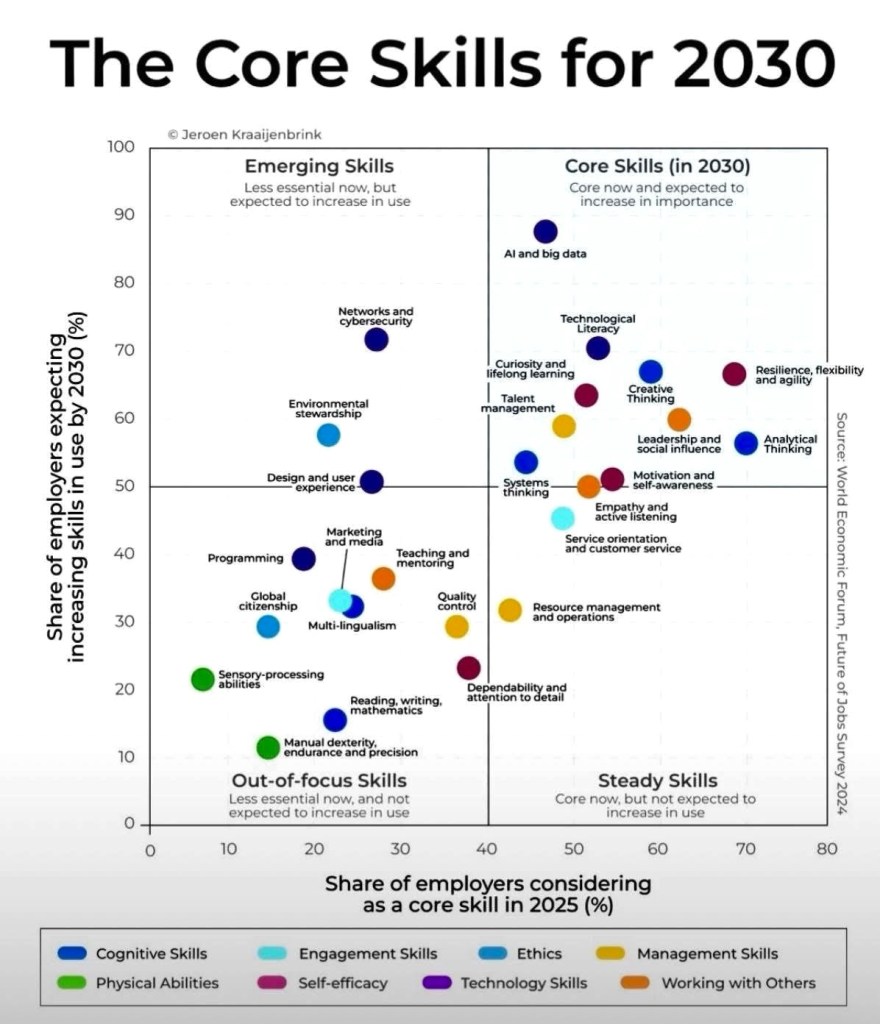

🔵 2030 年最重要的技能
技能 對應職業 對應科系 AI 和大數據 資料科學家、AI 工程師、機器學習工程師、商業分析師 資料科學、人工智慧、資訊工程、統計、應用數學 分析思維 管理顧問、策略分析師、產品經理、財務分析師 商業分析、經濟學、統計學、管理學 彈性、適應力與抗壓性 專案經理、人資發展顧問、心理師、創業家 心理學、人力資源、企業管理 領導與社會影響力 執行長、主管階層、公關、NGO 領導人 企業管理、傳播、政治、國際關係 創意思維 產品設計師、廣告創意總監、UX/UI 設計師、創業者 設計學、傳播設計、創新創業、視覺傳達
🟢 新興技能:投資與培養重點
技能 對應職業 對應科系 網路與資安 資安分析師、資安工程師、滲透測試員 資訊安全、資工系、電子工程 環境管理與永續 ESG 專員、永續顧問、綠建築工程師 環境工程、環境科學、永續發展、都市計劃 設計與使用者體驗(UX) UX/UI 設計師、產品經理、互動設計師 數位設計、人機互動、視傳系、多媒體設計
🟠 傳統技能:重要性下降但仍有基礎價值
技能 對應職業 對應科系 程式設計(純 coding) 初階工程師、IT support、人機界面開發 資工、軟體工程、資訊管理 閱讀與寫作技巧 編輯、文案、內容創作者、老師 中文、外文、新聞、教育 手動技巧與精密作業 技術員、裝配工、工業作業員 機械、模具、汽車修護、電機、工業工程 🔍 備註:這些技能不代表會消失,而是「未來成長性較低」,更可能被自動化或 AI 替代。
🟣 倫理、終身學習、系統性思考:未來具潛力
技能 對應職業 對應科系 倫理與責任感 ESG 官員、AI 倫理顧問、政策制定人員 哲學、法學、社會學、政治學、AI 倫理 終身學習能力 教育科技顧問、自媒體講師、學習設計師 教育科技、人力資源發展、教育系 系統性思考與複雜問題解決 系統工程師、流程改善顧問、策略顧問 工業工程、系統科學、管理學、企管研究所 - 學生與工作者應發展 分析、領導、創新與科技整合能力,這些將成為未來的黃金技能。
- 教育機構與企業內訓應強化 跨領域學習與倫理導向,為即將到來的自動化與永續轉型做準備。
- 傳統技能仍是基礎,但需加值整合,如將程式設計結合 AI 工具或 UX 思維,才不易被取代。
-
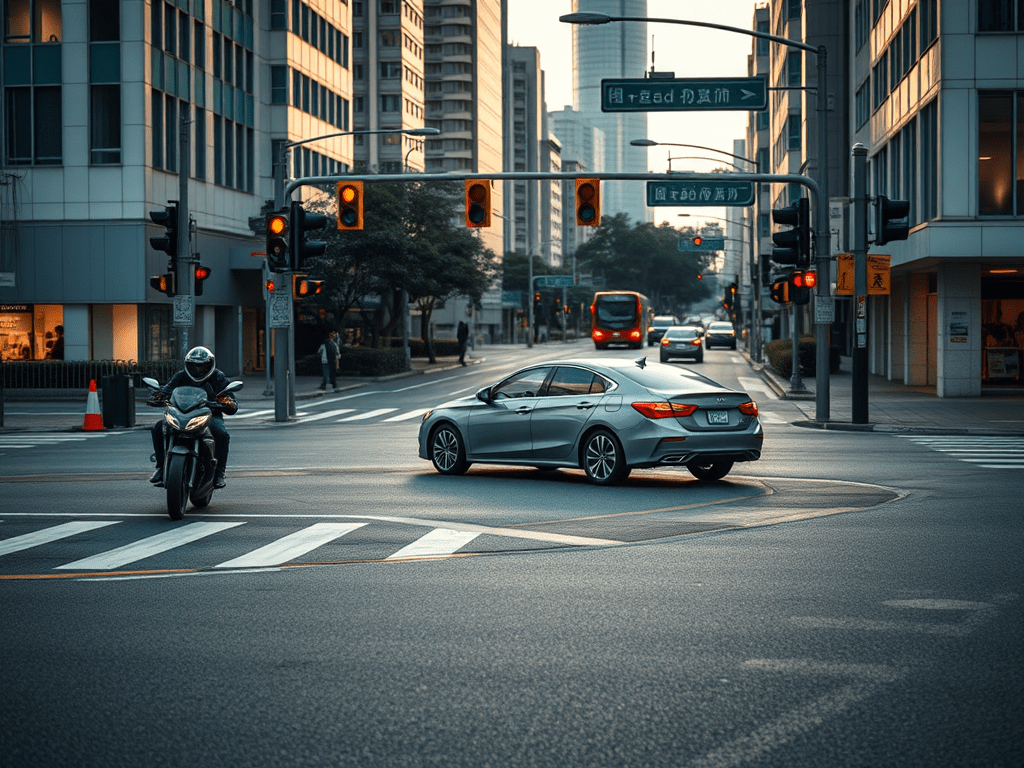
台灣開車觀察:左轉時的小風險
最近幾次在市區開車,有一個狀況讓我印象特別深刻,記錄一下。
有些路口設有明確的左轉導引標線,指引駕駛人依照規定的動線轉彎。例如,在接近中線後再轉、或按照路口的白色轉彎弧線行駛。
不過,在實際開車過程中,當車輛照著這些標線準備左轉時,從後方出現的車輛有時會從左側斜斜穿出來,與左轉路徑重疊。這些車輛的動線往往與導引線不一致,切入角度較大,車速也比較快。
我自己遇過幾次這種情況,左轉時後方車輛從側後方繞出來,車身非常接近,有時甚至會貼得很近擦過。這種情形可能發生在汽車之間,也可能是機車從左側穿插。
在這類情境中,如果駕駛人專注在對向來車與轉彎動線,可能不容易即時察覺後方車輛的動作,兩邊的路徑就會短暫重疊,增加碰撞的可能。
也有些路口,雖然設有導引線,但後方車輛的行駛方式明顯與之不同,顯示實際路況與設計規範之間可能存在一定落差。
-
海洋之旅的尾聲,一杯企鵝拿鐵的溫柔時光
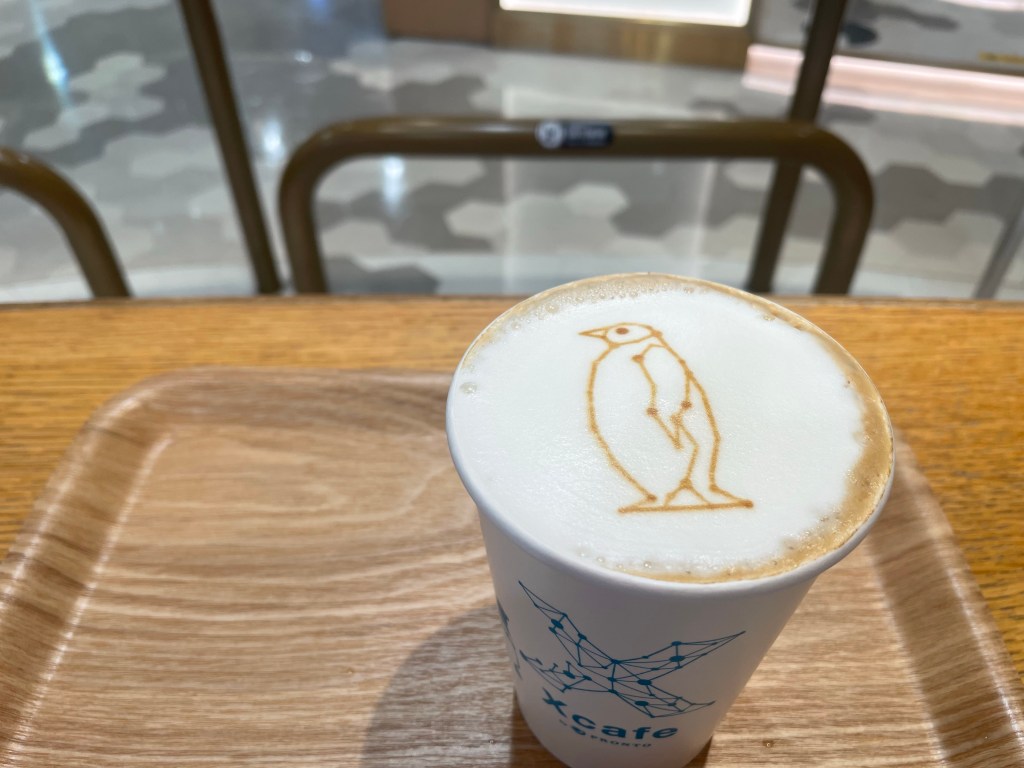
在 Xpark 看完一整圈精彩的海洋生物後,來到附設的 Xcafe,點了一杯可愛的企鵝拿鐵 🐧☕
坐在木質桌邊,靜靜地喝著這杯帶有希爾風格的咖啡,心情也跟著平靜愉悅了起來。
療癒的不只是館內的水母與魚群,還有這杯溫暖的小確幸 💙
-
大通膨時代「唯一?」下跌的商品

時代的眼淚? 在全球物價節節上升的背景下,台灣的早餐從20元漲到40元,便當動輒破百已成常態,甚至連手搖飲也早已突破昔日價格,比肩便當。然而,在這樣一個「萬物皆漲」的年代,我們在超商的報紙架上卻發現一個令人驚訝的現象──報紙仍維持在8元、16元的價格不變。
這樣的價格凍漲,不禁引人思考:為什麼報紙成為大通膨時代中,少數沒有漲價的商品?
一、報紙價格沒有漲,但成本其實早已上升
紙張、印刷、人力、運輸等成本皆隨通膨上漲。理論上,報紙價格也應同步調升。然而,從零售價格來看,許多報紙依然維持多年來的定價,沒有跟隨成本上升而調整。
這代表什麼?這並非成本未上升,而是報業選擇自行吸收,或轉由其他方式彌補(例如裁減人力、減少版數)。
二、價格凍漲的背後:市場需求萎縮與數位衝擊
報紙產業的價格策略,並非源自對抗通膨的「善意」,而是市場現實的妥協。進入數位時代,民眾獲取資訊的方式已徹底改變,傳統紙本報紙的銷量逐年下滑。為了避免讀者流失、維持基本銷量,報社無法輕易調漲價格。
簡單來說:
價格沒漲,不是因為報紙不值錢,而是因為讀者不願再多付錢。
三、報紙的營收轉向:訂閱與廣告早已主導
實體報紙的零售價格,在整體營收中其實佔比有限。多數報業集團的主要收入來自企業訂戶、大宗合約、廣告投放與數位平台。零售價格不漲,某種程度上只是用來維持「存在感」與品牌可見度。
零售利潤低,維持曝光才能拓展其他獲利來源。它的價格不是沒有變,而是這個產業早已在悄悄重組自己的生存策略。
-

深入 Windows 核心:MIS 必備的 Sysinternals Suite 檢測工具箱
作為一名 MIS(資訊管理系統)專業人員,時常需要面對 Windows 系統的各種疑難雜症?從效能低落、程式無故崩潰,到不明的背景程式活動、權限問題,甚至懷疑系統感染惡意軟體… 在處理這些複雜狀況時,Windows 內建的工作管理員或事件檢視器,有時確實顯得力不從心。
這時候,一套更強大、能深入系統底層的工具集。而由 Microsoft 提供的 Sysinternals Suite,正是為此而生。
什麼是 Sysinternals Suite?
Sysinternals Suite 是一系列免費且進階的 Windows 系統工具,最初由 Mark Russinovich 和 Bryce Cogswell 開發,後來被 Microsoft 收購並持續維護。這個套件包含了數十個獨立的公用程式,旨在幫助使用者更深入地了解、監控、診斷和排除 Windows 系統的各種問題。
這些工具源於解決實際技術挑戰的需求,因此極具實用性,能提供許多內建工具無法觸及的系統細節。對於需要管理、維護及排除大量 Windows 電腦的 MIS 人員而言,Sysinternals Suite 絕對是一套不可或缺的利器。
為何 Sysinternals Suite 是 MIS 的必備工具?
- 深入洞察系統: 許多 Sysinternals 工具能顯示遠超工作管理員層級的詳細資訊,包括程式、線程、模組、句柄、註冊表和文件系統活動等,幫助清晰掌握系統的運行狀態。
- 精準問題診斷: 當遭遇特定的錯誤(例如「拒絕存取」)或效能瓶頸時,Sysinternals 工具(尤其是 Process Monitor)可以精確地指出是哪個程式嘗試訪問哪個資源,以及失敗的原因。
- 惡意軟體偵測: 許多惡意軟體會試圖隱藏其蹤跡,但它們在系統中的活動(如創建特定註冊表項、訪問特定文件、建立網絡連接)往往會被 Sysinternals 工具捕捉到。Autoruns 更是找出開機自動啟動惡意程式的有效工具。
- 效能分析: Process Explorer 可以清晰地顯示每個程式佔用的 CPU、記憶體、磁碟和網絡資源,幫助快速定位資源消耗較大的程式。
- 輕巧方便,無須安裝: 大部分 Sysinternals 工具都是單一的執行檔(.exe),下載解壓縮後即可直接運行,非常適合存放於 USB 隨身碟中作為隨身工具包。
- 微軟官方支援: 由於已被 Microsoft 收購,這些工具具有高度的可靠性與兼容性,並持續獲得更新。
MIS 必學的 Sysinternals 神器
Sysinternals Suite 包含的工具眾多,以下列出幾個對於 MIS 專業人員來說最常用、最有價值的工具:
- Process Explorer (procexp.exe):
- 功能:這是強化版的工作管理員。它以樹狀結構顯示程式之間的父子關係,並提供每個程式的詳細資訊,包括線程、句柄、DLL、記憶體映射文件、安全性令牌、效能圖表等。
- MIS 用途:用於查找是哪個程式啟動了另一個程式;查看程式打開了哪些文件或註冊表鍵;分析程式資源使用情況;識別可疑程式(通常會以非標準路徑或名稱運行)。
- Process Monitor (procmon.exe):
- 功能:用於即時監控文件系統、註冊表、程式和線程活動。它能詳細記錄每一個文件操作、註冊表讀寫、程式/線程創建和退出等事件。
- MIS 用途:診斷「拒絕存取」錯誤的根源;追蹤應用程式安裝或運行的過程,查看其修改了哪些地方;找出是哪個程式在頻繁讀寫某個文件或註冊表項導致效能問題;監控可疑程式的行為。
- Autoruns (autoruns.exe):
- 功能:顯示 Windows 啟動時自動運行的所有程式和驅動程式。它會掃描註冊表、啟動資料夾、排定的工作、服務、瀏覽器幫助物件等幾乎所有可能的自動啟動位置。
- MIS 用途:清理不必要的開機啟動項以加速系統;找出隱藏在啟動項中的惡意軟體或廣告軟體;診斷開機後出現異常行為的問題。
- PsTools (pstools.zip):
- 功能:這是一系列命令列工具,用於遠端執行程式、列出程式、獲取系統資訊等。其中最常用的是
PsExec。 - MIS 用途:使用
PsExec在遠端電腦上以 SYSTEM 權限執行命令或程式,進行遠端維護和管理,無需使用 RDP 連接。
- 功能:這是一系列命令列工具,用於遠端執行程式、列出程式、獲取系統資訊等。其中最常用的是
- TCPView (tcpview.exe):
- 功能:顯示所有 TCP 和 UDP 端點及其所屬的程式。類似於帶有圖形化介面的
netstat -anb命令。 - MIS 用途:查看哪個程式正在使用哪個端口;檢查是否有不明程式正在建立網絡連接(可能是惡意軟體);診斷網絡應用程式的連接問題。
- 功能:顯示所有 TCP 和 UDP 端點及其所屬的程式。類似於帶有圖形化介面的
- BGInfo (bginfo.exe):
- 功能:在桌布背景上顯示重要的系統資訊,如電腦名稱、IP 位址、作業系統版本、記憶體、CPU 等。
- MIS 用途:快速識別遠端協助或現場排查時的電腦基本資訊,省去手動查詢的麻煩。
大多數 Sysinternals 工具需要以系統管理員身份執行,才能獲取完整的系統資訊並執行某些操作。右鍵點擊工具執行檔,選擇「以系統管理員身分執行」。
學習 Sysinternals 的小撇步
- 從常用工具開始: 建議先熟悉 Process Explorer, Process Monitor 和 Autoruns 這三個核心工具。它們能解決大部分常見問題。
- 善用篩選器: Process Monitor 記錄的事件非常多,學會設定篩選器(Filter)只顯示需要關心的事件類型或特定程式的活動,是提高效率的關鍵。
- 查閱官方文件: 每個工具都有詳細的說明頁面,當對某個功能或顯示的資訊感到困惑時,查閱 Microsoft Learn 上的官方文件是最好的方法。
- 實驗與觀察: 在非生產環境中多運行這些工具,觀察系統在正常和異常情況下的行為,累積實戰經驗。
結論
Sysinternals Suite 是一套功能強大、輕巧實用的 Windows 系統檢測和故障排除工具集。它能提供深入的系統視角,幫助 MIS 專業人員更快速、更精準地診斷和解決複雜的 Windows 問題。熟練掌握這些工具,將極大地提升工作效率和問題解決能力,在 Windows 系統管理領域更加得心應手!
-
用了磁吸式行動電源後,我發現了這些事
磁吸式行動電源(MagSafe Battery Pack)剛推出時,我馬上就被它的設計吸引。免插線、吸上即充,對日常移動、短程外出來說真的非常方便。我自己用的是 Belkin 的高階款,整體使用體驗不錯,但在長期使用下也遇到了一些限制,特別是發熱與效能問題。
1. 過熱停止充電,是我最常遇到的問題
有不少次,我在戶外或咖啡廳邊充邊用手機,不久後就跳出 iPhone 的「溫度過高」提示,然後自動停止充電。這在以前使用線接行動電源時幾乎不曾發生。
事後了解才知道,這是無線充電效率比較低,加上磁吸設計會緊貼手機背面,熱量難以排出,特別容易造成局部過熱。再加上 iPhone 對溫度的保護機制很敏感,為了保護電池壽命,一旦偵測到異常就會主動停止充電。
2. 為什麼無線磁吸會特別容易發熱?
無線充電效率低:Qi 或 MagSafe 無線技術大約只有 60-75% 的能量轉換效率,剩下的都變成熱。 磁吸貼合會阻隔散熱:緊密貼合讓熱氣無處散去。
邊充邊用更容易過熱:手機在工作(滑手機、導航、拍照)時本身就會發熱,這時再無線充電就更容易過熱。
iPhone 的溫控設計偏保守:蘋果為了安全性,寧可提前暫停充電。
3. 價格偏高,也是需要思考的一點
磁吸式行動電源的價格通常比同容量的有線款高出兩到三倍,這是因為它牽涉到 MagSafe 認證(MFi 授權)、磁鐵模組、設計工藝等成本。雖然貴,但帶來的「免插線、即吸即走」體驗確實也有其價值,就看使用者的需求重不重視這一點。
4. 我還是會用,但要知道什麼情境適合
就我自己的習慣來說,短時間外出、放口袋方便充一下,磁吸行動電源非常實用。但如果是重度使用、邊玩手機邊充電、或長時間高強度充電,我會改用 PD 快充的有線行動電源,速度快、發熱少、也更穩定。
我沒有要否定磁吸式行動電源的價值,反而認為它是一種很有設計感、也真的能帶來便利的產品。但在使用過程中,了解它的限制,能幫助我們用得更安心、更有效率。
-
我用 Beta 版的 Web Serial API 打造產品化服務,穩定運行了五年
身為一位資訊人,我總是樂於擁抱新技術,並將它們落地應用到實際專案中。大約在五年前,當 Web Serial API 還處於 Beta 階段時,我注意到這個技術的潛力,它能夠讓網頁直接與使用者的裝置上的序列埠進行溝通,這為許多應用場景打開了大門。
我的選擇:在 Beta 階段擁抱 Web Serial API
儘管當時 Web Serial API 還帶著 Beta 的標籤,但我仔細評估了它的功能和瀏覽器的支援情況(當時主要的 Chrome 和 Edge 已經提供了支援),認為它已經足夠成熟,可以滿足我正在開發的產品化網站服務的需求。這個服務的核心功能需要直接與特定的硬體設備進行數據交換,而 Web Serial API 正好提供了這樣一個便捷且無需安裝額外外掛的解決方案。
五年的實戰經驗:穩定勝於一切
讓我驚訝的是,這五年來,我的這個基於 Beta 版 Web Serial API 開發的網站服務運行得非常穩定。正如我之前所說,當前的使用體驗與五年前幾乎沒有差別,瀏覽器的支援也沒有出現任何問題。這讓我深刻體會到,有時候,一個技術的「Beta」標籤,並不完全等同於「不穩定」或「不適用於生產環境」。
我對 Web Serial API 始終處於 Beta 的看法
回顧這幾年的使用經驗,我對於 Web Serial API 始終處於 Beta 階段也有了一些自己的看法:
- 標準化進程的緩慢與嚴謹: 或許 W3C 等標準組織對於這類直接與硬體交互的 API 格外謹慎,需要更長的時間進行充分的驗證和完善,以確保其長期穩定性和安全性。
- 對邊緣案例和硬體兼容性的考量: 序列埠的應用場景非常廣泛,不同的硬體設備和作業系統組合可能會帶來各種各樣的邊緣案例。標準組織可能需要更全面的測試和驗證,才能正式推出標準。
- 瀏覽器廠商的協同與一致性: 雖然主要的 Chromium 核心瀏覽器都提供了支援,但要確保所有瀏覽器在各種情境下的行為都完全一致,可能也需要時間進行協調和優化。
- Beta 標籤作為一種提醒: 或許 Beta 標籤也帶有一種提醒的意味,告知開發者這是一個仍在發展中的技術,未來可能會有一些小的變動或調整。
實用性與標籤之間
我的親身經歷證明,Web Serial API 在實務上是完全可行的,甚至可以支撐起一個產品化的網站服務。儘管它仍然掛著 Beta 的標籤,但其在主流瀏覽器中的廣泛支援和穩定性,已經足以讓開發者放心地將其應用到專案中。
或許,我們不應該過度拘泥於技術的「Beta」標籤,更應該關注其在實際應用中的表現和瀏覽器的支援程度。對於 Web Serial API 來說,至少在我的應用場景中,它已經超越了 Beta 的定義,成為了一個可靠且實用的技術選擇。
 Brassai Kao’s Tech Weave