
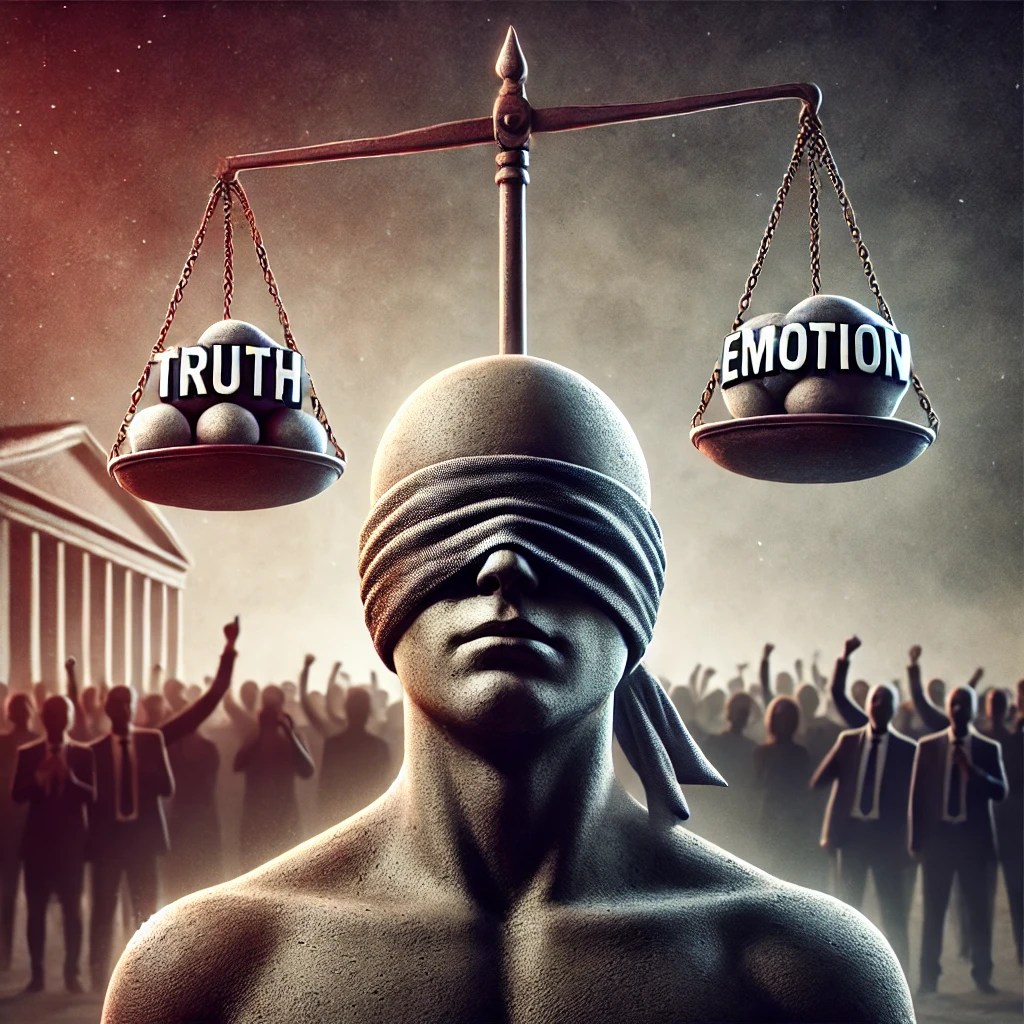
The True Nature of Political Correctness
Have you ever chosen silence out of fear of saying the wrong thing? Or witnessed someone being attacked for an “incorrect” statement? Political Correctness (PC) is often framed as a tool for respect and equality, but is it really that simple? Today, we will uncover how political correctness, initially driven by good intentions, has evolved into a moral stance that prioritizes emotions over truth. By the end of this article, you will gain a clearer perspective and valuable insights into this phenomenon.
The Original Intent and Transformation of Political Correctness
The origins of political correctness were simple: it was meant to eliminate discriminatory language. For example, replacing terms like “slave” with “African American” aimed to respect marginalized groups and prevent offense.
However, things have changed. What began as voluntary respect has turned into an enforced norm. Saying the “wrong” thing now can lead to public shaming, job loss, or social exclusion. The focus has shifted from truth to ensuring that no one feels uncomfortable.
How Emotions Override Truth
Truth is sacrificed: Consider a scenario where discussing crime rates among specific groups is deemed “discriminatory.” Even when data supports the discussion, fear of backlash prevents people from addressing the issue.
- Crime Statistics and Race
When data shows a higher crime rate in a specific racial group, discussing it is often labeled racist, even if the goal is to find solutions. This prevents addressing the root causes of the problem. - Gender Differences in Certain Fields
Pointing out differences in male and female representation in fields like STEM can be called sexist, even if there are factual reasons. This hinders open discussion about potential contributing factors and solutions. - Immigration and Social Welfare
Discussing the impact of immigration on social welfare systems can be labeled xenophobic, even if it’s a legitimate concern. This stops necessary conversations about how to manage these systems effectively.
Why does this happen? Because emotions have become the standard—avoiding offense is now more important than stating facts. As a result, people choose “safe” words while real problems remain unresolved.
The Cost to Society
The price of silence: When truth is suppressed, people hesitate to speak honestly. Public discourse becomes superficial, and critical issues go unaddressed.
The illusion of progress: Society appears harmonious on the surface, but in reality, it stagnates. Real change requires confronting uncomfortable truths rather than merely protecting feelings.
How to Respond: Finding the Balance
Don’t abandon empathy: Respecting others’ feelings is crucial, but it shouldn’t be the sole guiding principle.
Embrace truth: Having the courage to speak facts, even when uncomfortable, is the foundation of meaningful progress.
Truth vs. Emotion – Which Should Prevail?
Political correctness isn’t inherently bad, but when it prioritizes emotions over facts, it becomes an obstacle. Ask yourself: Do you want a world where only pleasant words are spoken, or one where truth drives real progress? The biggest takeaway from this discussion is that next time you face the pressure of political correctness, you will be better equipped to distinguish between truth and mere emotional appeal. After all, truth is the cornerstone of progress.
政治正確最初旨在消除歧視性語言,推廣對弱勢群體的尊重,例如用「非裔美國人」取代侮辱性詞語。隨著時間的推移,政治正確從自發行為轉變為強制性規範,讓人因害怕輿論壓力而不敢討論敏感議題,即使有事實根據。
在公共對話中,情感往往壓倒事實,避免冒犯比面對真相更被看重,導致許多問題無法解決。壓制事實會造成社會討論淺薄,無法面對深層問題。表面和諧的社會實際上可能停滯不前,需要真實對話來推動進步。在尊重他人感受的同時,仍需重視事實,這樣才能促進有意義的進步。
政治正確的初衷是良善的,但當情感優先於事實時,就會造成阻礙。作者鼓勵人們在同理心與事實之間找到平衡,推動真正的社會發展。
 Brassai Kao’s Tech Weave
Leave a comment